LAND AIR SEA: Pali-Pali Sari-Sari, 2019-present
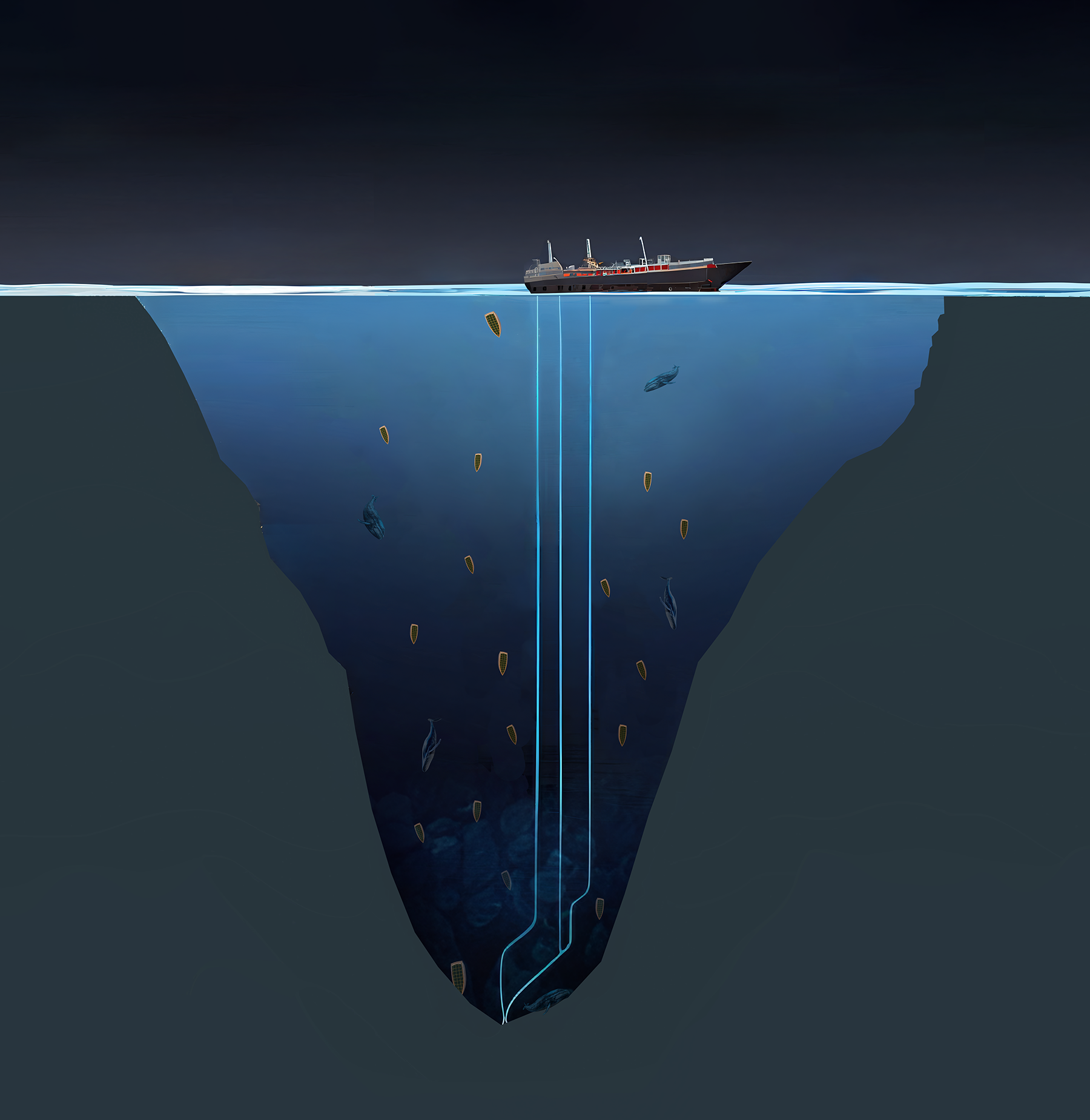
Could our deepest ocean trenches become permanent, “bottomless” burial sites and carbon sinks? Pali-Pali Sari-Sari is a proposal for a perpetual carbon-negative burial system that begins with re-imagining artist Bas Jan Ader’s death at sea.



Artist Bas Jan Ader set sail in a 13 foot sailboat from Chatham, Massachusetts on July 9, 1975. His boat, the Ocean Wave, was found 10 months later off the coast of Ireland. Forensics experts have suggested that Bas Jan died sometime in the fall of 1975, when artist Jae Rhim Lee was born.
Is Jae Rhim Lee the reincarnation of Dutch-American artist Bas Jan Ader? After undertaking past life regression training with expert Dr. Brian Weiss, receiving past life readings from mediums, and undertaking many self-hypnosis sessions, Jae Rhim still does not know who she was in a past life. Nonetheless, as his (possible) Korean-American reincarnation, she re-imagines Bas Jan’s death as a carbon geoengineering event:
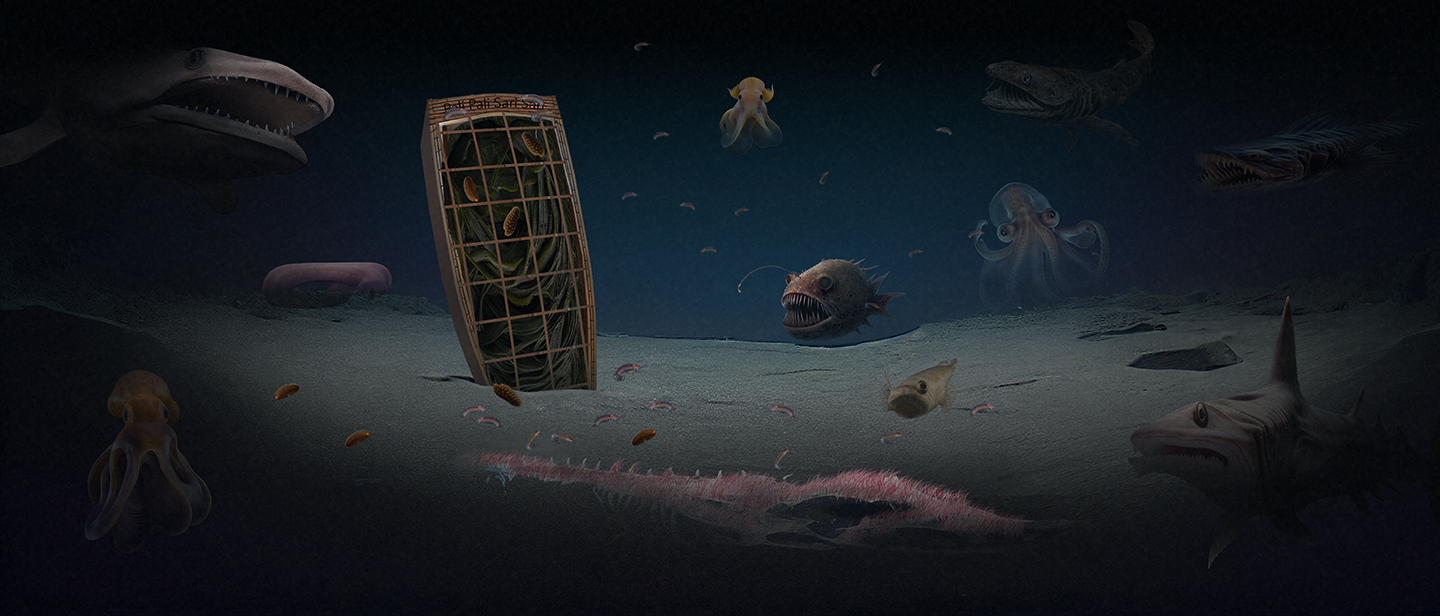
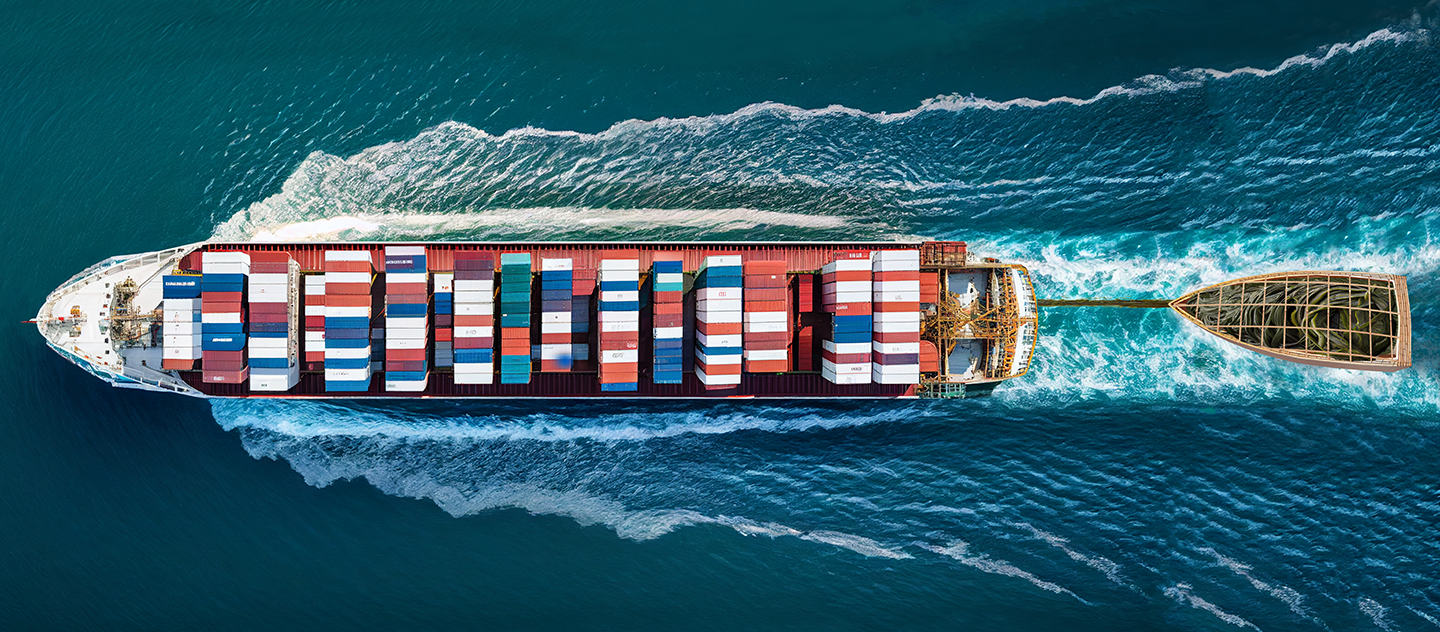
A cargo ship en route across the Pacific pulls a bamboo raft piled with bundles of sugar kelp harvested from polluted waters and a dead body wrapped in seaweed (a final spa treatment). The towline is cut as the ship passes over the Mariana Trench causing the raft to sink, like a whale fall. The carbon and pollutants* accumulated in the bamboo, kelp, and human remains are permanently sequestered 36,200 feet below sea level. At the bottom of the trench, the entire raft is consumed by deep sea creatures perfectly suited for the recycling task: Hirondellea gigas, a shrimp-like creature that uses enzymes to digest wood; sea cucumbers that eat seaweed; carnivorous octopii, fish, and sharks; and an army of ocedax—bone-drilling worms that can consume a blue whale skeleton in months.
Over time, our deepest ocean trenches become the ultimate recycling centers and carbon sinks that will never run out of space or organisms to break down our bodies.
*Bamboo and seaweed both grow rapidly in low nutrient environments and are ideal carbon sequesters. Seaweed is also a hyper-accumulator of pollutants and excess nitrogen.